Research: How Collaboration Actually Works
Collaboration doesn’t break because of process.
It breaks through how people construct shared meaning, negotiate ambiguity, and align.
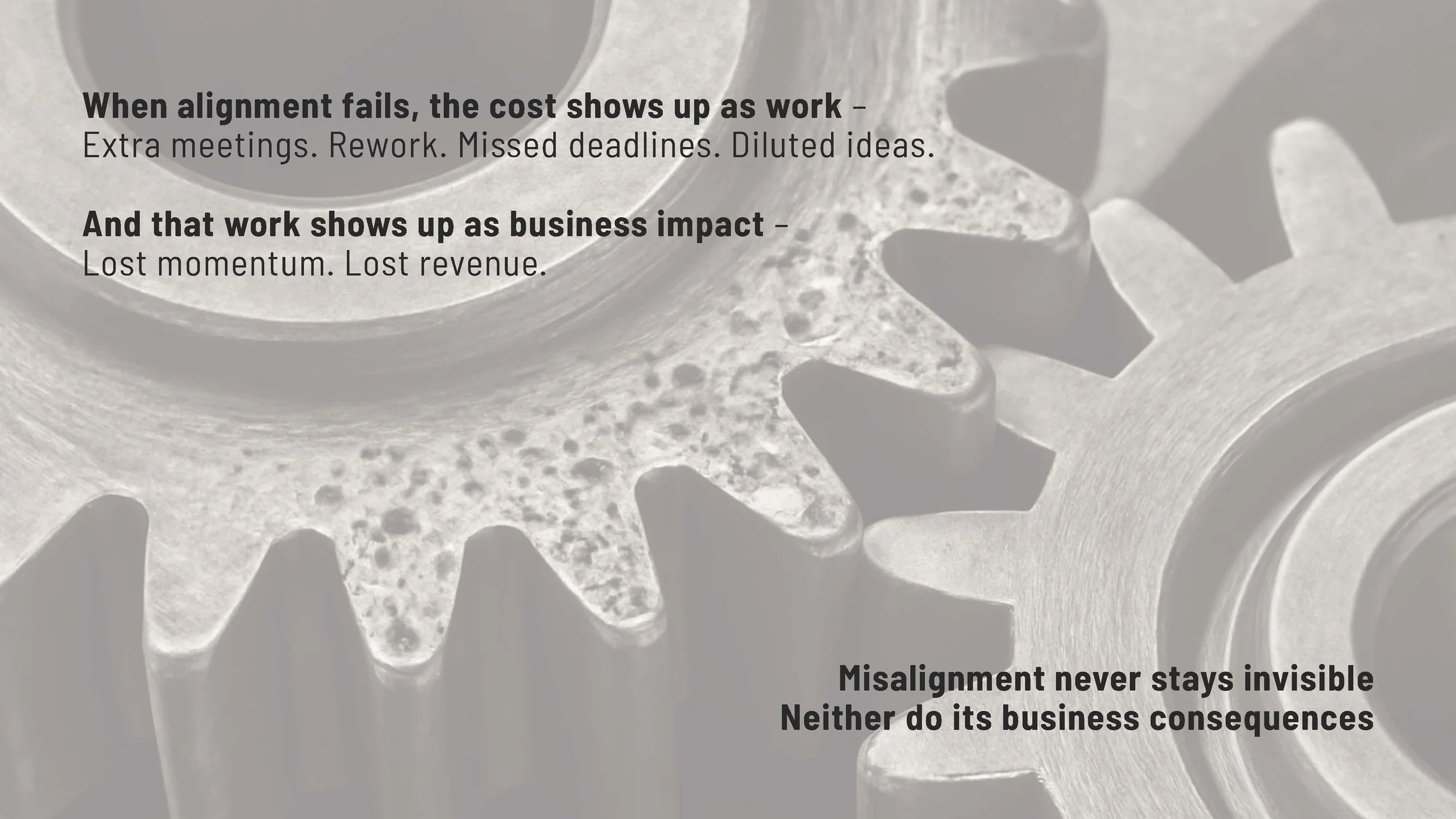
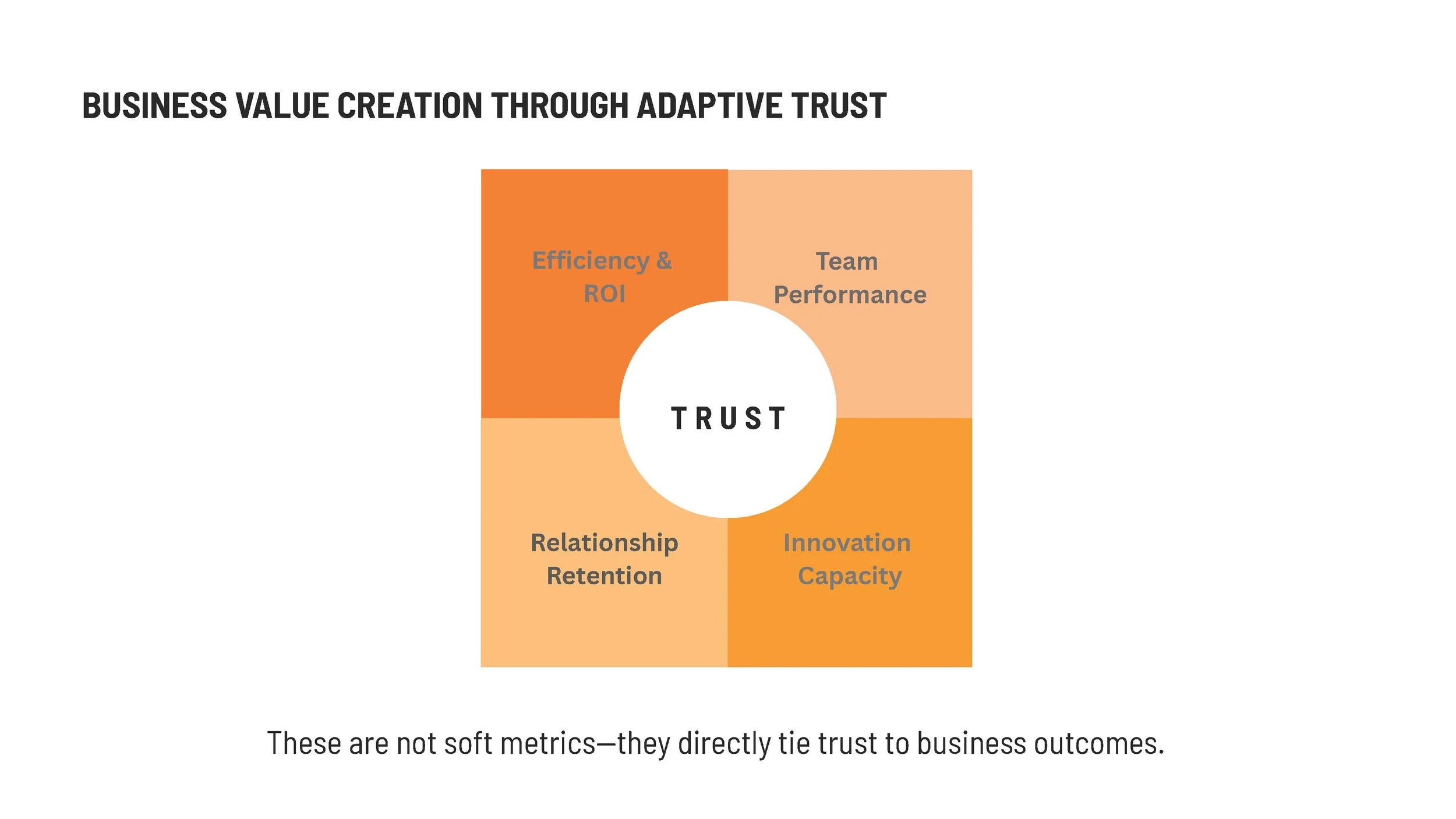
In complex, fast-moving environments, misalignment doesn’t stay invisible. It shows up as extra meetings, rework, missed deadlines, and diluted ideas — ultimately impacting momentum, performance, and revenue.
My research found that the issue is not a lack of tools or process. The frameworks we use already work. What shapes outcomes is something less visible: the relational conditions inside the work.
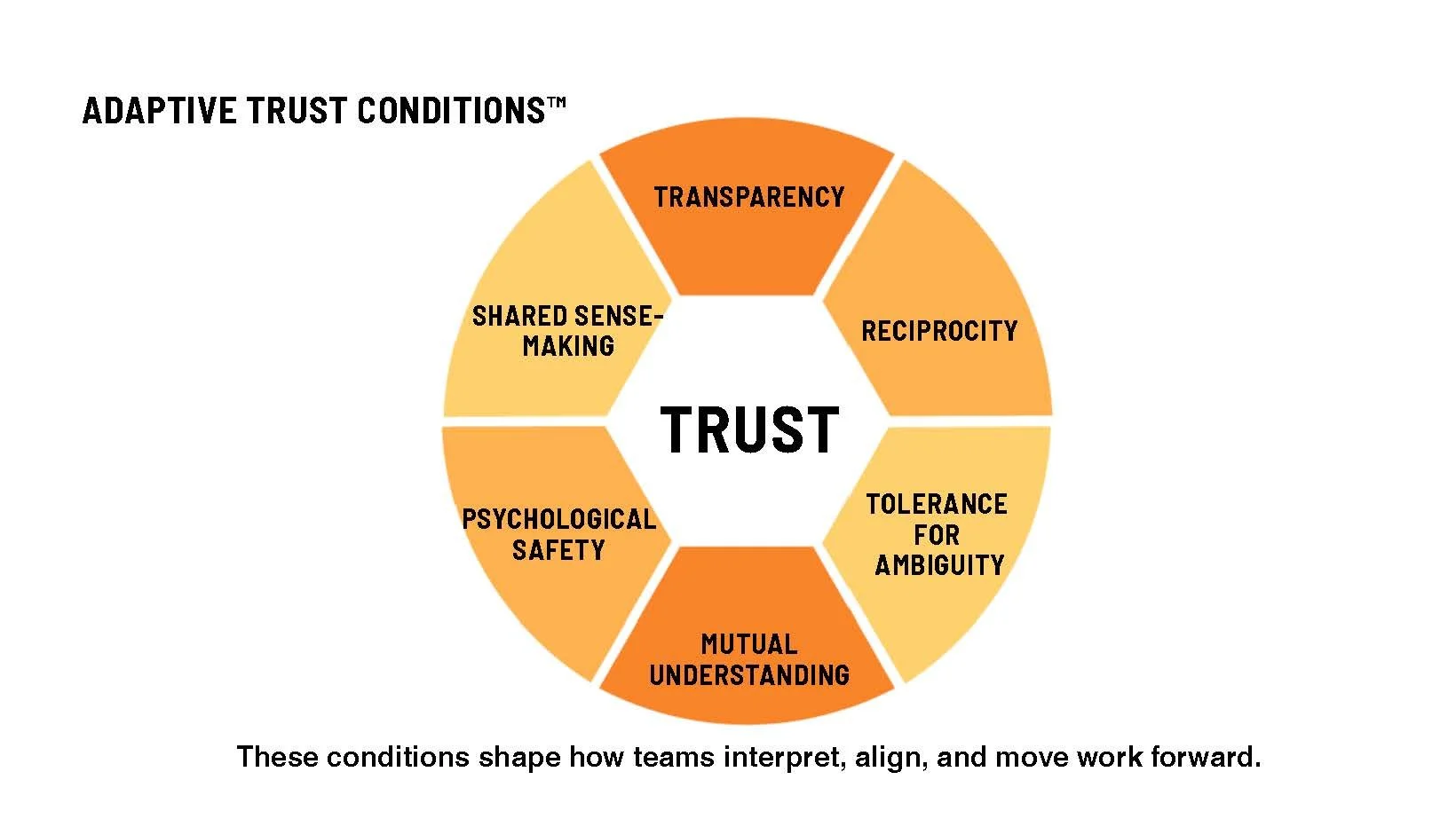
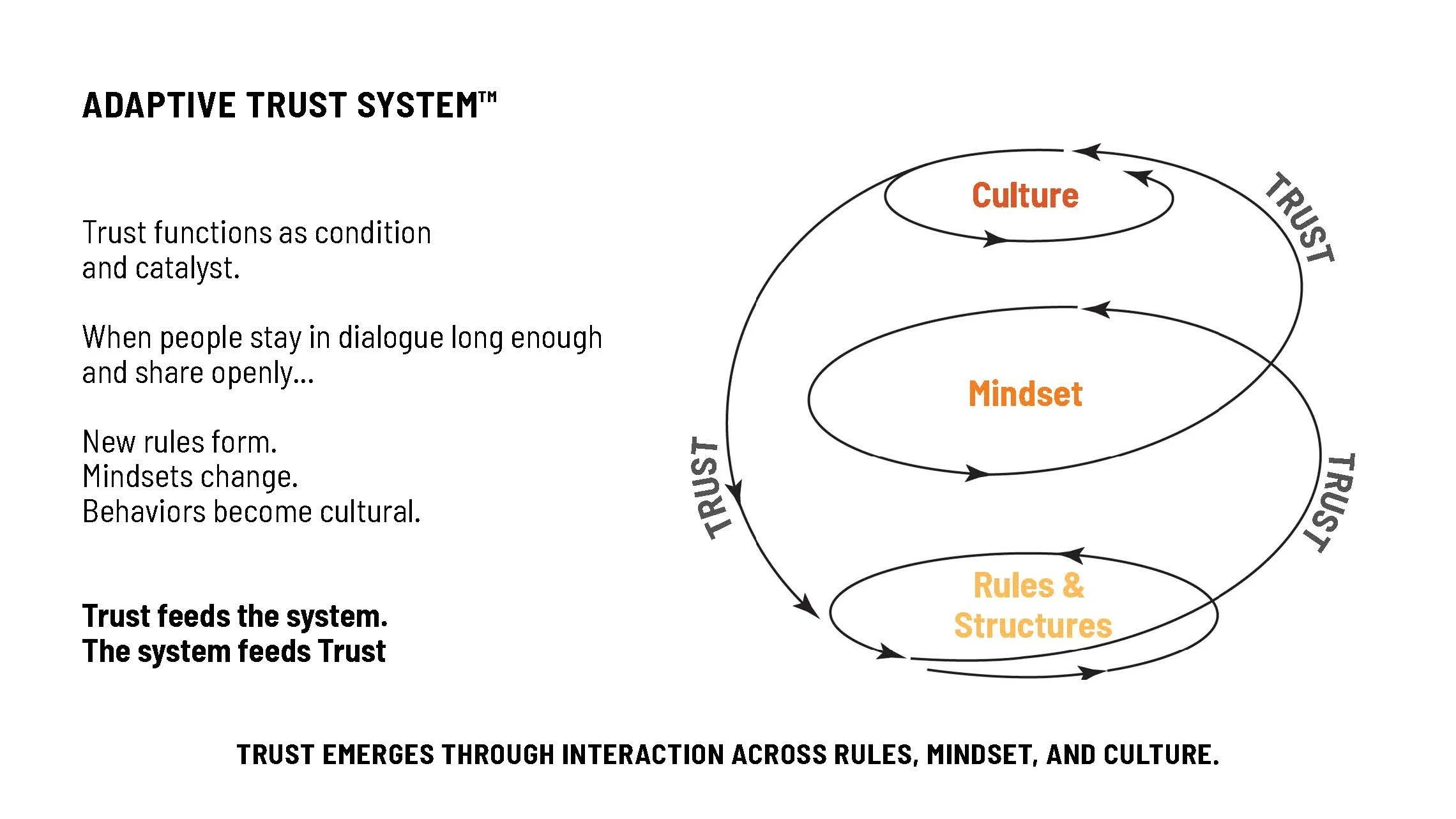
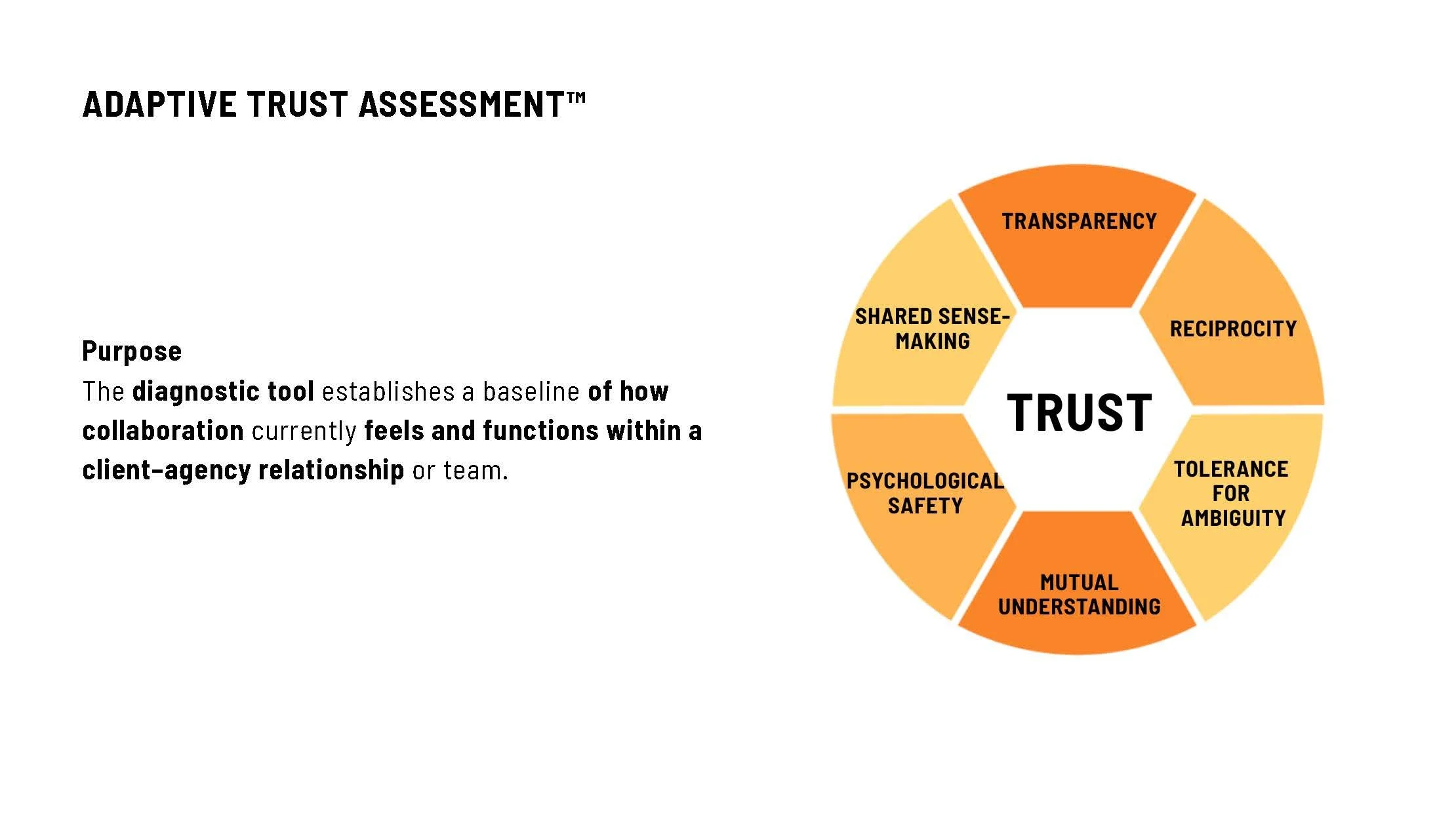
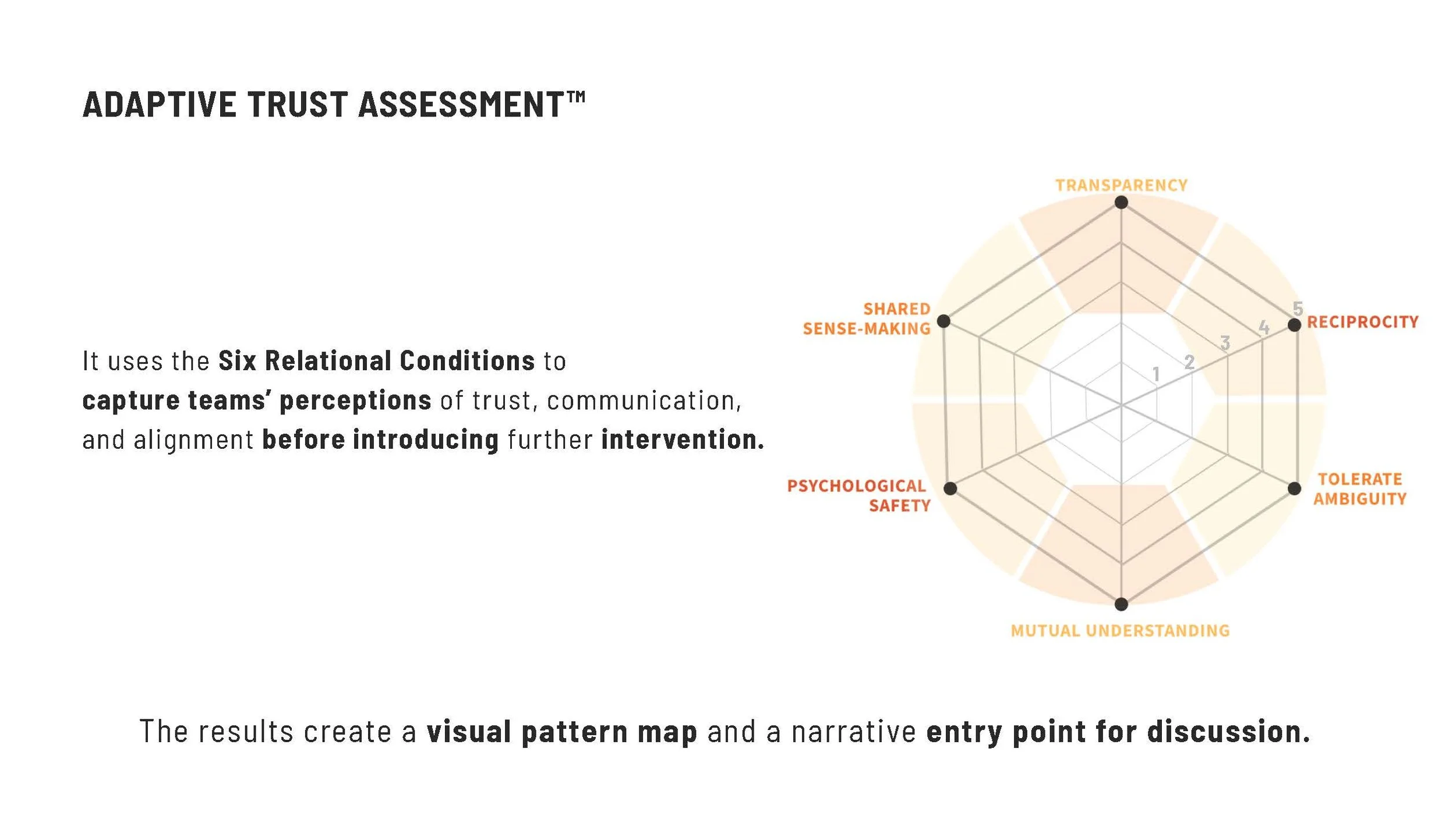
This led to the development of the Adaptive Trust System, a framework identifying six relational conditions that shape how teams align, develop shared understanding, and execute effectively.
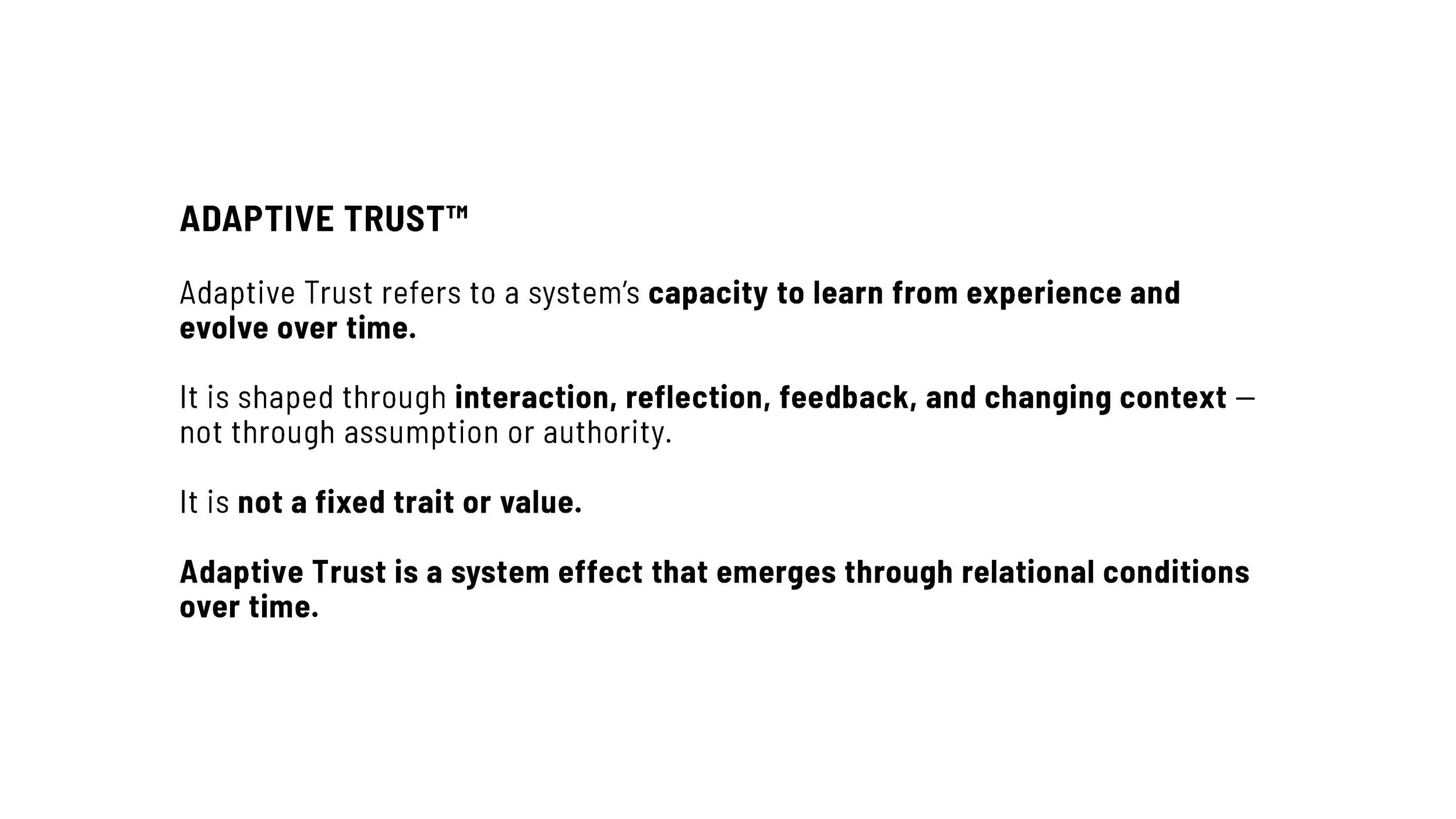
Trust is not a trait. It is an outcome of how these conditions are expressed over time.
This work reframes collaboration as something that can be observed, diagnosed, and intentionally designed — with direct implications for how teams operate and how work moves forward.
In the classroom, this becomes a way to teach students how to navigate ambiguity, align stakeholders, and lead effectively within complex organizational systems.